Acne Scars That Won‘t Go Away? Here’s What Actually Helps
You have cleared your skin, and the breakouts are gone, but the structural damage remains.
If over-the-counter creams and home remedies have failed, it is because consumer-grade products lack the bioavailability and depth to reach the dermal layer where scar tissue is anchored. Repairing the skin’s architecture requires targeted, medical-grade solutions.
This guide explains the physiological types of acne scars, which clinical treatments address each type, and what to expect during recovery. If you are in the Claremont area and have delayed treatment, this is your starting point for professional skin revision.
In this Article…
To make things easier, below is an outline of what you will learn about acne scar treatment. Feel free to skip ahead. Just click on a link below to jump to a section:
- Why At-Home Acne Scar Treatments Often Fail
- What Causes Acne Scars: The Biological Process
- How to Identify Your Scar Type (Atrophic vs. Hypertrophic)
- Professional Clinical Interventions
- Determining the Best Protocol for Your Skin
- Clinical Expectations and Timelines
- Why a Diagnostic Consultation Matters
- Acne Scar Treatment in Claremont
- Frequently Asked Questions
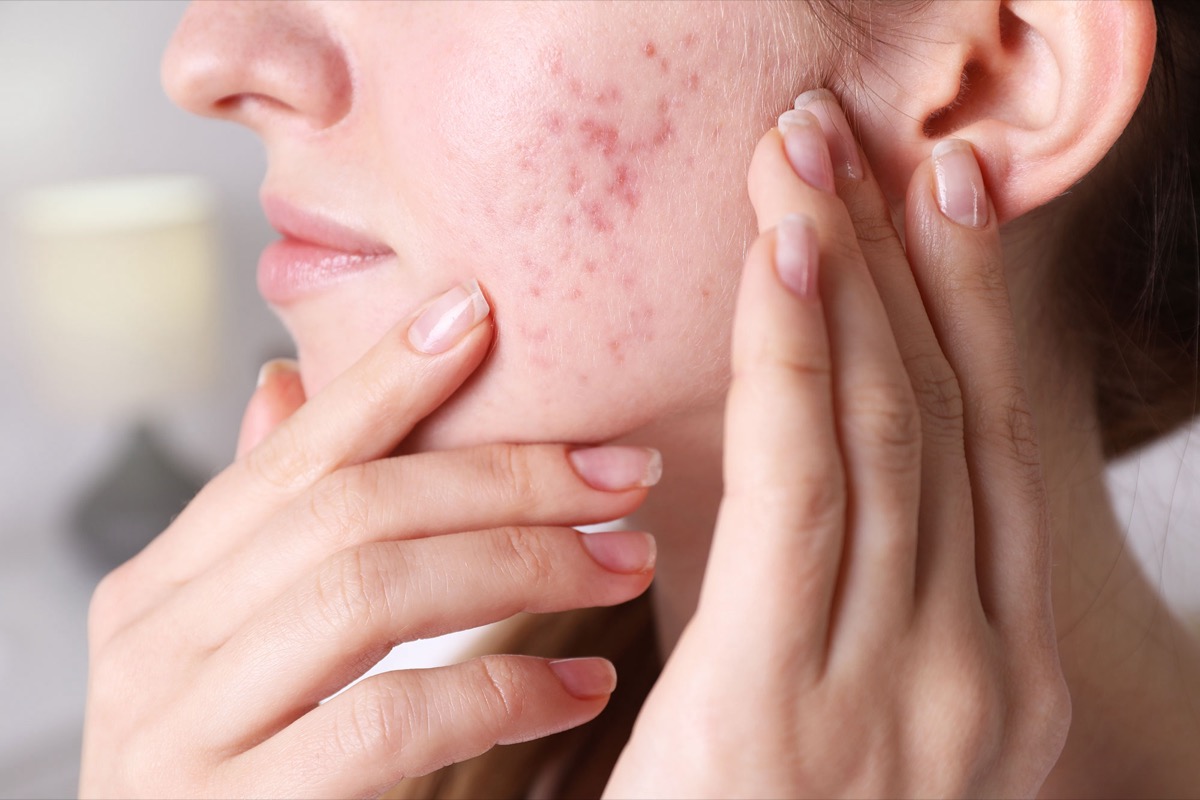
Acne Scars That Won’t Go Away? Here’s What Actually Helps
You have cleared your skin, and the breakouts are gone, but the structural damage remains.
If over-the-counter creams and home remedies have failed, it is because consumer-grade products lack the bioavailability and depth to reach the dermal layer where scar tissue is anchored. Repairing the skin’s architecture requires targeted, medical-grade solutions.
This guide explains the physiological types of acne scars, which clinical treatments address each type, and what to expect during recovery. If you are in the Claremont area and have delayed treatment, this is your starting point for professional skin revision.
Why At-Home Acne Scar Treatments Often Fail
Clinical Perspective: The Dermal Barrier and Bioavailability
For individuals who have used consumer-grade serums, retinols, and Vitamin C for extended periods without observing structural improvement, it is essential to recognize the biological limitations of these products. As a Nurse Practitioner, I frequently encounter patients frustrated by a lack of results; however, these outcomes are determined by pharmacological properties and skin anatomy.
The Barrier of the Stratum Corneum
Most over-the-counter (OTC) products are formulated to remain in the epidermis—the skin’s outermost layer. While these can improve hydration and surface brightness, they cannot penetrate the stratum corneum (the skin’s barrier) deeply enough to reach the dermis, where acne scar tissue actually resides. True scar revision requires remodeling the skin’s internal architecture, which topical consumer products are not legally or chemically designed to do.
The Limitation of Non-Clinical Concentrations
Acne scars, particularly ice-pick, boxcar, and rolling types, are the result of significant collagen degradation. Reversal requires activation of a systemic wound-healing response.
- OTC Retinols: These are often too unstable or at too low a concentration to signal the cellular turnover required for scar remodeling.
- Medical-Grade Intervention: In a clinical setting, professional-grade protocols and mechanical induction techniques, such as microneedling, are employed to create controlled microchannels in the dermal layer. This approach bypasses the surface barrier and stimulates the synthesis of Type I and Type III collagen, a process not achievable with at-home treatments.
What Causes Acne Scars
Acne scars form when inflammation damages deeper skin layers, leading to either collagen loss (causing depressions) or excess collagen production (causing raised scars). Which outcome occurs depends on how deep the breakout was, your body’s specific inflammatory response, and whether the healing process was interrupted by picking or delayed treatment.
Even among individuals with similar histories, scarring patterns vary significantly. Therefore, treatments must be personalized following a clinical assessment of each patient’s unique healing response.
How to Identify Your Scar Type
The specific type of scar present determines the appropriate clinical intervention. Employing an unsuitable modality may lead to inefficient resource use or suboptimal results.
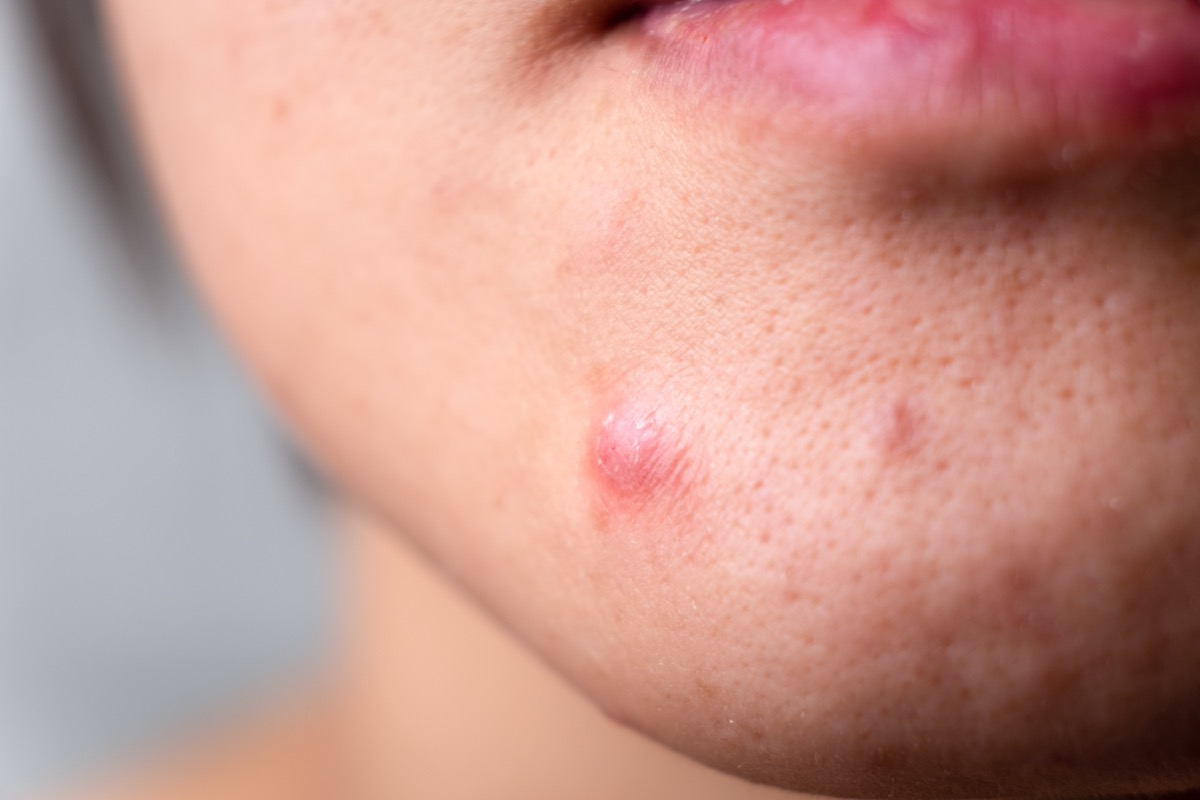
- Ice Pick Scars: Narrow, deep punctures that resemble pinholes. These extend deep into the dermal tissue and are often the most challenging atrophic scars to treat.
- Boxcar Scars: Wider depressions with defined, vertical edges and a flat base. These require treatments that stimulate collagen in the middle layers of the skin.
- Rolling Scars: These create a wavy, undulating texture across the skin. They are caused by fibrous bands of tissue beneath the skin pulling the surface downward.
- Raised Scars (Hypertrophic/Keloid): Caused by an overproduction of collagen during the healing process, resulting in a bump that sits above the skin surface.
- Post-Inflammatory Hyperpigmentation (PIH): Flat dark marks left after a breakout. While not technically “scars” (as no structural change has occurred), they are a significant cosmetic concern that requires specific pigment-blocking protocols.
Professional Clinical Interventions
Medical-Grade Protocols for Structural Revision
In a medical practice, the approach to acne scarring is diagnostic rather than purely cosmetic. Advanced modalities are utilized under medical supervision to ensure both safety and clinical efficacy.
Precision Microneedling (Collagen Induction Therapy)
Unlike dermaplaning or superficial exfoliation performed in standard spa settings, clinical microneedling is a medical procedure intended to induce percutaneous collagen production. The NP Advantage: As a medical professional, I can adjust needle depth to target the precise dermal layer where scar tissue is anchored. This technique is particularly effective for rolling and boxcar scars, as it disrupts fibrous bands and stimulates new tissue growth from the base upward.
- Recovery: Because this is a controlled clinical injury, we provide post-procedure protocols to optimize the inflammatory response for healing rather than just surface irritation.
Medical-Grade Chemical Peels
We offer advanced chemical resurfacing that goes beyond the “glow” of an aesthetician’s peel. These formulations use higher concentrations of active acids to accelerate cellular signaling and protein coagulation.
- Targeting PIH: For patients struggling with Post-Inflammatory Hyperpigmentation (PIH), we use clinical-strength tyrosinase inhibitors to halt the overproduction of melanin at a cellular level.
- Resurfacing: These peels effectively remove damaged layers of the epidermis and upper dermis, allowing for a smoother, more uniform skin texture.
The Role of Medical-Grade Skincare (Prescription Strength)
The products we recommend at The Skin Specialist are classified as cosmeceuticals. They contain bioactive ingredients— such as growth factors and stabilized retinoids—at clinically proven concentrations that alter skin physiology. These are used as a pre- and post-treatment strategy to prime the skin for clinical procedures and maintain the structural integrity of the new collagen we produce in-office.
What to Realistically Expect
Results develop gradually, as collagen synthesis is a biological process that takes time. Most patients do not see the full benefit of a clinical microneedling session until four to six weeks post-treatment.
- Treatment Series: While a single session can produce early improvement, a series of 3 to 6 sessions is standard for meaningful, long-term revision.
- Visible Improvement: The primary objective is to achieve significant, observable enhancement in skin texture and tone. Although complete removal of deep structural scarring may not always be biologically feasible, the aim is to restore the skin to its healthiest, smoothest state.
Why a Diagnostic Consultation Matters
A consultation in a medical setting serves as a diagnostic step, during which scar type, skin tone (Fitzpatrick scale), medical history, and current skin condition are assessed to develop an effective treatment protocol.
Patients who forgo clinical assessment and select treatments based on online trends frequently experience unsatisfactory outcomes. This is often due to the selection of interventions that are not appropriate for their specific dermal structure, rather than a failure of the treatment itself.
Ready to stop guessing?
At The Skin Specialist, Lucy Grey, NP, works with patients to develop a treatment plan that aligns with clinical goals and timelines. We serve patients from Claremont, Upland, La Verne, San Dimas, Pomona, and surrounding communities.
Frequently Asked Questions
What is the best acne scar treatment?
It depends on the type and severity of the scarring. Microneedling works well for rolling and boxcar scars. Chemical peels are better suited for pigmentation and surface texture. Many patients benefit from a combination approach. A consultation determines which fits your skin.
Can acne scars be removed completely?
Professional treatment can produce significant, visible improvement. Complete removal of deep structural scarring is not always possible, but most patients see results that make a real difference in how their skin looks and feels.
Is microneedling good for acne scars?
Yes, for certain types. Microneedling is most effective for rolling scars and mild to moderate boxcar scars. It is less suited for deep ice pick scars or raised scarring. A consultation will confirm whether it is the right fit for your scar type.
How many treatments will I need?
Most patients need a series of 3 to 6 sessions to achieve the best results. The exact number depends on scar type, severity, and how your skin responds. This is outlined during the consultation, so you know what to expect before you start.
Should active acne be treated before addressing scars?
In most cases, yes. Ongoing breakouts can cause new damage and compromise treatment outcomes. Controlling active acne first gives scar treatment the best chance of working.
Where can I find acne scar treatment in Claremont?
The Skin Specialist serves patients from Claremont, Upland, La Verne, San Dimas, Pomona, and surrounding communities. The first step is a consultation to assess your scar type and develop a treatment plan tailored to your specific skin and goals.
Important Disclosure
The information provided in this article is based on general knowledge and not on specific sources. Consultation with a qualified dermatologist or skin care professional is recommended for personalized advice. This article is for informational purposes only and is not a substitute for professional medical advice. Always consult with a qualified healthcare provider for guidance on your specific skin concerns.