What Causes Rough Skin Texture? Treatments That Actually Work
Quick Answer: What Helps Rough Skin Texture?
Rough skin texture treatments work best when matched to the cause.
- Acne scars → Microneedling
- Collagen loss → Sculptra or Hyperdilute Radiesse
- Sun damage → Chemical peels
- Crepey skin → Laser resurfacing
- Mild dehydration → Barrier repair skincare
Skincare can help surface dryness, but deeper texture concerns often need collagen-stimulating treatments.
If that sounds familiar, you’re not alone, and the problem probably isn’t your skincare routine. Lucy Grey is a Nurse Practitioner at The Skin Specialist in Claremont, California. She loves treating skin texture for patients to provide beautiful glowing skin.
What Skin Texture Actually Means
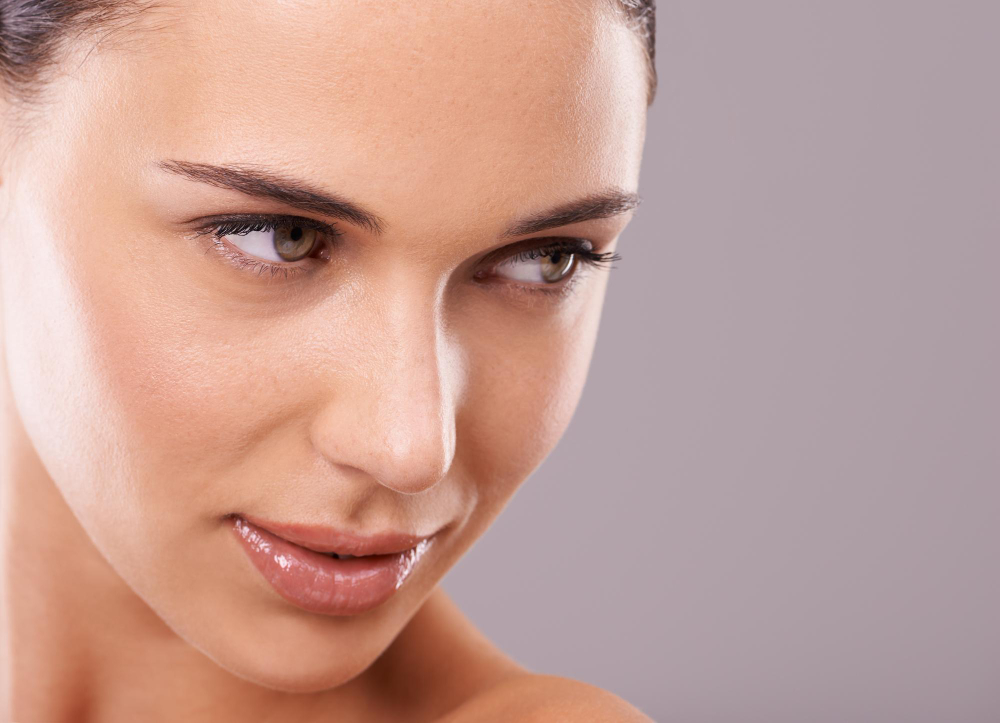
When people talk about skin texture, they’re usually describing how the skin looks and feels up close. Smooth, even skin reflects light uniformly. Textured skin scatters it, which is why rough or uneven skin can look dull even when it’s well hydrated.
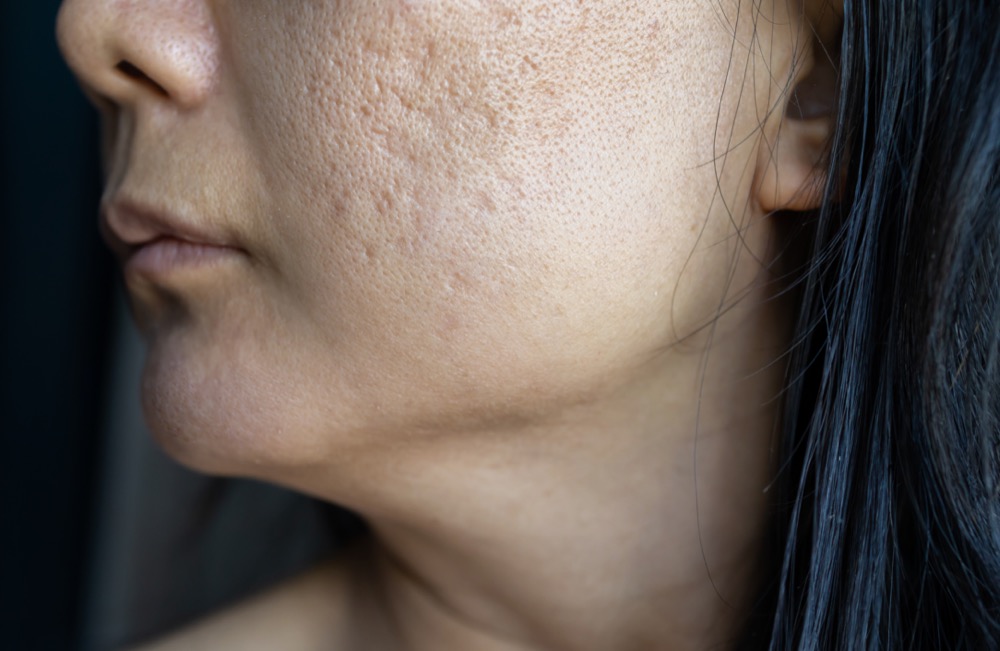
Texture concerns show up in different ways for different people. Some notice roughness that never fully goes away, regardless of how much moisturizer they use. Others deal with enlarged pores that seem to get worse over time. Acne scarring is one of the most common texture complaints. The breakouts are gone, but the skin still looks uneven. Fine lines, crepey patches, and small bumps are also part of the texture conversation.
Understanding what type of texture you’re dealing with matters because different causes require different solutions. Treating acne scarring the same way you’d treat collagen loss is like using the wrong tool for the job. You might see minimal improvement and assume nothing works, when really the approach just wasn’t matched to the problem.
What’s Actually Causing the Texture
This is where most skincare advice falls short. Products are marketed as texture-fixing, but they rarely explain what’s driving the texture in the first place. Here are the most common causes:
Past Acne and Inflammatory Damage
Acne doesn’t just affect the surface. When a pore becomes inflamed—whether from a whitehead, a cystic breakout, or anything in between inflammation can reach the deeper layers of the skin where collagen lives. As the skin heals, it doesn’t always rebuild perfectly. Sometimes it fills in unevenly, leaving behind indentations. Sometimes it overproduces tissue, creating raised areas. Bothresult in a texture that lasts long after the breakouts themselves have cleared.
This is one of the most frustrating texture situations because people assume clearing their acne will clear their skin. In reality, treating active acne and repairing acne-related texture are two separate processes. The first prevents new damage. The second addresses what’s already there.
Collagen Loss From Aging
Collagen is the structural protein that keeps skin firm, plump, and resilient. In your twenties, your body produces it efficiently. Starting in your mid to late twenties, production begins to slow, and by your thirties and forties, the effects become more visible.
As collagen breaks down, the skin loses its internal scaffolding. Fine lines form. Pores appear larger because the surrounding skin no longer holds them tightly. The overall surface becomes less even and less smooth. This type of texture isn’t caused by a single event; it accumulates gradually, which is also why it can sneak up on people who felt like their skin was fine and then suddenly wasn’t.
Sun Damage
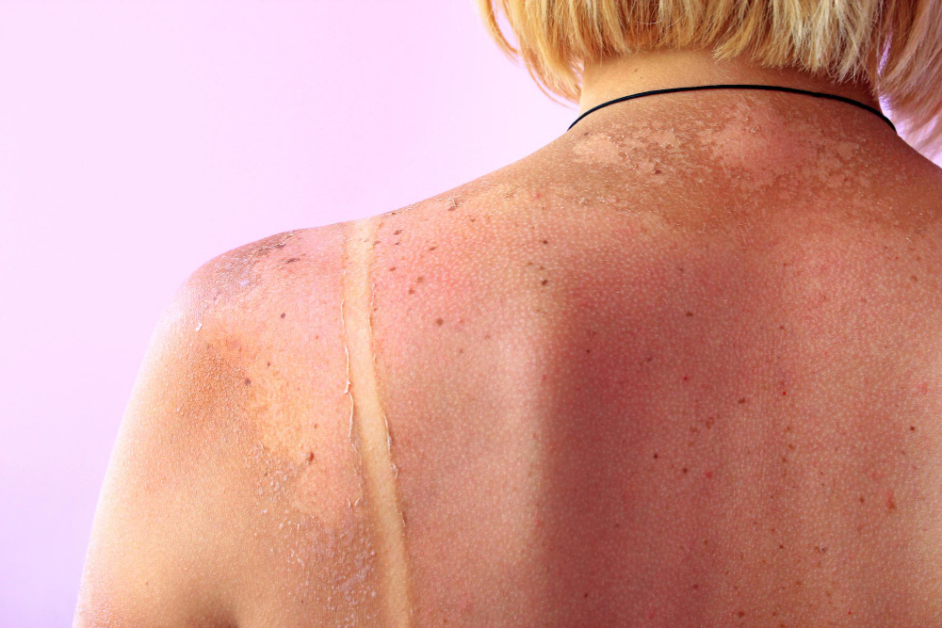
UV exposure is one of the leading causes of premature collagen breakdown. Sun damage doesn’t just create dark spots; it degrades the collagen and elastin fibers beneath the skin’s surface, weakening the structural support that keeps skin looking smooth and even.
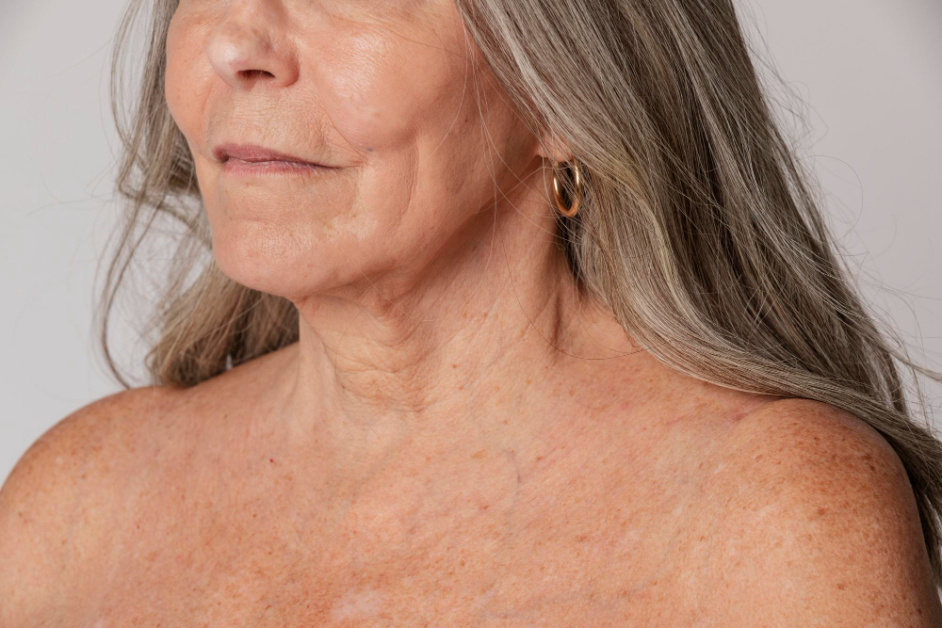
Over time, sun-damaged skin can feel thicker in some areas and thinner in others. Texture becomes uneven. The skin loses its natural resilience and takes longer to recover from everyday stress. Much of this damage is cumulative, meaning years of unprotected sun exposure in your twenties and thirties can show up as significant texture changes in your forties and beyond.
Dehydration and Compromised Skin Barrier
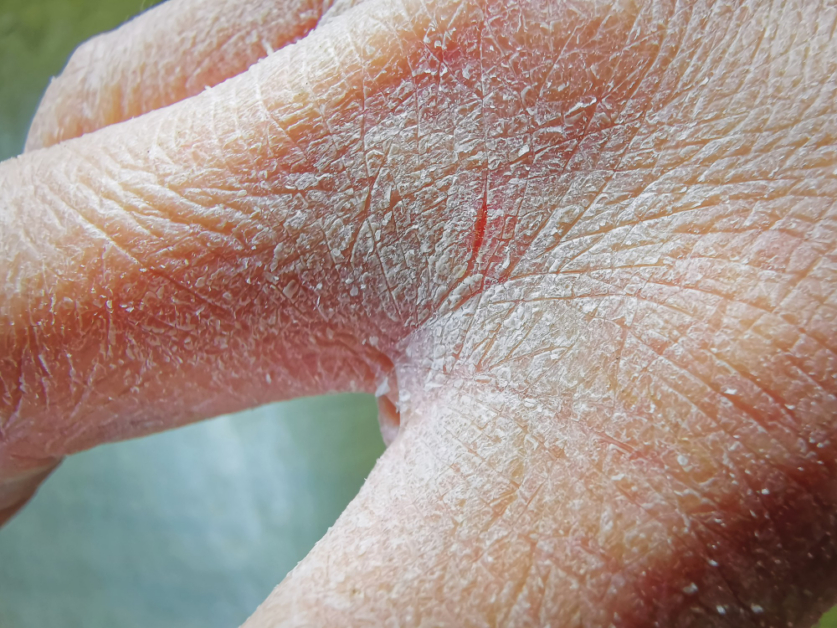
Not all texture is structural. Sometimes skin looks and feels rough because the outer barrier is compromised. When the skin barrier is disrupted, whether from over-exfoliation, harsh products, environmental stress, or chronic dehydration, it loses its ability to retain moisture effectively.
Dehydrated skin often looks dull and feels rough to the touch. Fine lines appear more pronounced. The surface can take on a crepey quality even in younger patients. This type of texture can improve meaningfully with the right skincare, which is why some people do see real results from products alone. But if the texture persists despite consistent hydration and barrier support, the cause is likely deeper than the surface.
Skin Lesions and Uneven Texture
Skin lesions can affect both the texture and appearance of the skin. Conditions such as acne, comedones, milia, sebaceous hyperplasia, and skin tags can createa rough or uneven surface that skincare alone may not fully improve.
Some lesions are cosmetic, while others may require medical evaluation or treatment. Depending on the cause, procedures such as extractions, electrocautery, laser treatments, or minor surgical removal may be recommended to improve skin texture and appearance.
How Genetics Affects Skin Texture
Some people are simply more prone to enlarged pores, rough texture, or acne scarring based on their skin type and genetics. Oilier skin types tend to have more visible pores. People who are more prone to inflammatory acne are more likely to develop post-acne texture. This doesn’t mean texture improvement isn’t possible; it just means the baseline is different, and realistic expectations matter.
Why Skincare Has a Ceiling
Over-the-counter products work on the outer layers of skin. They support hydration, cell turnover, and brightness—all valuable. But if your texture is coming from acne scarring, collagen loss, or deeper structural changes, no serum is going to fix it. That’s not a failure of your routine. It’s just the limit of what topical products can do.
Retinoids are the closest thing skincare has to a genuine texture treatment. Prescription tretinoin increases cell turnover and supports collagen production over time. For mild texture concerns and long-term maintenance, it’s genuinely useful. But even tretinoin has limits when it comes to established acne scars or significant collagen loss. It can improve the skin around the scarring, making it look better overall, but it won’t resurface or fill in damage that is already set in.
Treatments That Actually Address Texture
At The Skin Specialist in Claremont, Lucy Grey, NP, offers several treatments specifically suited to skin texture concerns:
Microneedling
One of the most effective options for improving texture without significant downtime. Microneedling creates controlled micro-injuries that stimulate your skin’s natural collagen and elastin production. Over a series of treatments, it can soften acne scars, refine pores, and smooth uneven areas. Many patients notice their skin feels different before it visibly looks different, and that’s the collagen rebuilding underneath.
Chemical Peels
For texture caused by dull, thickened outer layers, sun damage, or mild acne scarring, chemical peels accelerate cell turnover and resurface the skin. Lucy Grey, NP, customizes peel strength based on your skin’s needs, which is something her patients consistently mention in reviews. A peel that’s too aggressive can cause more harm than good, which is why provider experience matters here.
Sculptra
For patients whose texture concerns are tied to collagen loss and skin laxity, particularly crepey skin or fine lines, Sculptra is a biostimulatory injectable that prompts your body to produce new collagen over time. Unlike fillers that add volume directly, Sculptra gradually improves skin quality from within. Patients looking for collagen-stimulating treatments sometimes also explore non-neurotoxin options for aging concerns. Treatments like Sculptra and Hyperdilute Radiesse are often discussed as part of broader cosmetic injection alternatives to Botox for patients focused on gradual, natural-looking skin rejuvenation.
Hyperdilute Radiesse
For patients experiencing skin texture changes related to collagen loss, thinning skin, or crepey areas, hyperdilute Radiesse is another effective biostimulatory option. When diluted and injected more superficially, Radiesse works to stimulate your body’s natural collagen and elastin production while also improving skin thickness and quality over time. Rather than adding noticeable volume, this technique focuses on enhancing the skin’s overall texture, making it appear smoother, firmer, and more hydrated. It is especially helpful for areas like the lower face, neck, and chest where skin can become thin and less resilient.
Plasma Pen and Advanced Laser Options
Plasma pen treatments are sometimes marketed for improving skin texture and tightening, but they are not typically the first choice in a medical setting. Results can be unpredictable, and there is a higher risk of unwanted side effects such as scarring, prolonged redness, or pigmentation changes, especially when not performed by a trained medical professional.
For more reliable and controlled results, advanced laser treatments are often recommended instead. Devices such as the Erbium YAG laser offer precise, ablative resurfacing that removes damaged outer layers of skin while stimulating collagen production underneath. This leads to smoother texture, improved tone, and softening of fine lines and acne scars. Compared to older technologies, erbium lasers allow for more controlled depth, faster healing times, and a lower risk of complications when performed by an experienced provider.
When it comes to improving skin texture, treatments performed in a medical setting using advanced technology tend to be safer and more effective than no- medical devices or at-home options.
For many patients, combining treatments delivers better results than any single approach. Lucy, NP, takes time during consultations to understand your skin’s history and goals before recommending anything. She will not push a treatment that is not right for your situation.
Results Take Time — Here’s Why That’s Actually Good
Collagen rebuilding is gradual by nature. Whether you are doing microneedling, a peel series, or Sculptra/Hyperdilute Radiesse, or prescription skincare, your skin needs weeks to respond. Most patients notice:
- Smoother texture within a few weeks of their first treatment
- More visible improvement after a series of sessions
- Results that continue to develop for months after Sculptra and Hyperdilute Radiesse
The gradual timeline is also why results look natural rather than sudden.
Just as important as in office treatments is what you do at home. A consistent skincare routine helps maintain and enhance your results. This often includes medical grade or prescription products that target concerns like acne, uneven texture, and conditions such as rosacea. Ingredients that promote cell turnover and support collagen, along with calming and corrective therapies, can make a significant difference in how your skin looks and feels over time.
Daily sunscreen is essential. Without proper sun protection, progress can be slowed or even reversed, as UV exposure breaks down collagen and contributes to texture changes, discoloration, and premature aging. Think of in office treatments and home care as working together. When combined, they create the best environment for long term skin health and smoother, more refined texture.
When It’s Time to Stop Waiting on Skincare
If you have been consistent with quality skincare and your skin still feels rough, scarred, or uneven, the issue is likely deeper than products can reach. That is not a knock on your routine; it is just a different category of problem that needs a different category of solution.
Not sure what is actually causing your skin texture?
At The Skin Specialist in Claremont, Lucy Grey, N.P., evaluates whether your texture is related to acne scarring, collagen loss, sun damage, dehydration, or skin laxity — so you can choose treatments that actually address the root cause. Book your consultation today for a personalized treatment plan with an honest, caring nurse practitioner focused on natural-looking results and a refreshed, confident you.
Important Disclosure
The information provided in this article is based on general knowledge and not on specific sources. Consultation with a qualified dermatologist or skin care professional is recommended for personalized advice. This article is for informational purposes only and is not a substitute for professional medical advice. Always consult with a qualified healthcare provider for guidance on your specific skin concerns.